What You Need to Know About Engine Replacement Costs Today
What You Need to Know About Engine Replacement Costs Today
Blog Article
Locating top-notch engine parts is vital for efficient vehicle maintenance and repair. At an engine parts store, you can find an extensive array of automotive components, including key items like starter motors and several other engine parts. Vehicle owners frequently look for reliable suppliers for their v8, diesel, and reman engines. If you wish to thoroughly examine your options, you'll discover a well-rounded selection catered to all your engine requirements. With numerous engine shops to choose from, it's important to identify which one best fits your needs. This article will cover essential elements to consider when selecting a trustworthy engine parts provider, the types of engine components available, and how costs can differ depending on your requirements this website. The engine parts within your vehicle serve as the foundation for its performance and reliability. Every component, from the starter motors that trigger ignition to complex mechanisms like fuel injectors, contributes significantly to the engine's functionality. Within an engine parts shop, you are likely to discover a range of components designed for various automotive engines. Regardless of whether you require parts for classic American muscle cars, foreign sedans, or powerful diesel engines, a well-equipped store can align with your needs. As an example, consider the factors involved in purchasing a rebuilt engine, which entails considerable labor and material expenses, affecting the overall cost of replacement. Gaining an understanding of the pricing framework at your local engine parts establishment is vital. Your purchase decisions might copyright on several aspects, including your vehicle's brand, the engine type required, and your preference for new, used, or remanufactured items. Having access to knowledgeable staff in an engine parts store can be incredibly beneficial in helping you navigate to the right choices tailored to your individual circumstances. When you venture into an engine parts store, knowing the different categories of items available can be immensely helpful. Common categories comprise electrical components, engine blocks, gaskets, pistons, and filters. For instance, starter motors are essential for igniting the ignition process of an engine and are frequently found in stores. In contrast, the engine block serves as the core structure that many parts anchor to, fundamentally influencing the vehicle’s operation. Additionally, high-performance parts such as LS3 motors are often available at well-stocked retail locations, designed for those wishing to elevate their vehicle's performance for both everyday driving and racing. Diesel engine components represent a substantial area as well, given the special needs and characteristics of diesel engines that set them apart from conventional gasoline models. Selecting the right engine parts store can significantly impact your automotive repair or build project. Start by assessing the store’s reputation; online reviews and customer feedback can provide valuable insights into their service quality and product reliability. Look for stores that specialize in your specific vehicle type. Some may cater to classic cars, while others are better suited for modern vehicles or import models. Another crucial factor is inventory. A well-stocked engine parts store ensures that you have access to a diverse selection, which can include everything from standard car engine replacement parts to advanced components like aftermarket v8 engines or specialized performance parts. Engaging with the staff is advisable; knowledgeable team members can guide you through the intricacies of engine parts, helping you make informed decisions. Grasping the financial implications related to engine parts is essential for vehicle owners. The costs associated with parts can fluctuate widely depending on various factors such as the specific part required, the vehicle's make and model, and whether the parts are new, used, or refurbished. For example, a starter motor’s price can vary from a few hundred dollars to several hundred dollars, while a complete car engine replacement can end up costing thousands of dollars, which includes the pricing of both parts and labor. Furthermore, specialized items, such as ls3 engines, tend to command a higher price due to their performance attributes. Nevertheless, it is essential to view the purchase of quality parts as an investment that can lead to improved performance and fewer repair needs down the line. When comparing prices, it is beneficial to explore local options to prevent extra shipping costs and delays that often come with online purchases.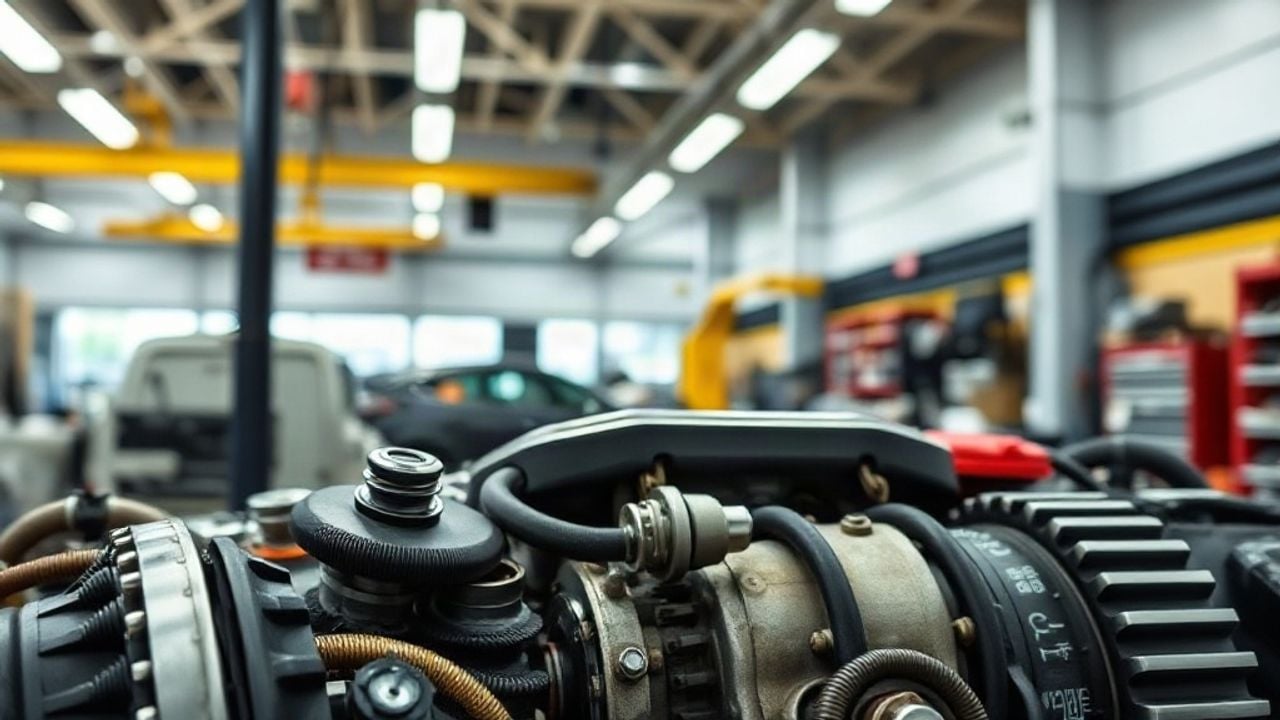 engines for saleengines for sale guide
Exploring Engine Components
Types of Components Available
Choosing the Right Engine Parts Store
The Costs of Engine Parts
Engine parts examine guide store
Steps to Take When Visiting an Engine Parts Store
- Identify Your Needs: Before you even step into the store, outline what parts you need. Make a list based on your vehicle’s make, model, and the specific issues you are trying to address.
- Research the Store: Look into customer reviews and testimonials. A store with a good reputation is more likely to offer quality parts and reliable customer service.
- Engage with Staff: Don't hesitate to ask questions. Knowledgeable staff members can help clarify the differences between various parts and guide you to the right solutions.
- Check Inventory: Upon arrival, assess the store's inventory. Ensure they have the essential parts you need before proceeding.
- Negotiate Costs: Don’t accept the price immediately; inquire about discounts or offer to compare prices with other stores. It's beneficial to know the standard costs for the parts you're interested in.
- Follow Up: After making a purchase, reach out if you have further questions or concerns. A reputable store will typically have strong after-sales support.
Tips for Shopping for Engine Parts
When looking for engine parts, focusing on quality is essential. Higher quality parts often yield better long-term performance and durability.
- Research Your Car’s Specifications: Know your vehicle's engine specifications to avoid purchasing incompatible parts.
- Source OEM Parts When Possible: Original Equipment Manufacturer (OEM) parts usually ensure the best fit and functionality.
- Don’t Hesitate to Compare Shops: Prices can vary between stores, so comparing multiple options is advisable.
- Consider Warranty Options: Check if the parts come with a warranty — it can save you from future expenses.
- Join Online Forums: Engaging with automotive communities can provide valuable insights and recommendations for parts and stores.
Frequently asked questions
What is an Engine parts store?
An engine parts store is dedicated to providing components essential for the construction, repair, and upkeep of automotive engines. The inventory typically includes a wide variety of parts such as engine blocks, starter motors, and other critical components necessary for engine performance.
How do I choose an Engine parts store provider?
To select a reputable engine parts store, evaluate their product selection, read customer testimonials, and consider the knowledge level of their staff. Additionally, ensure that they have experience with your specific type of vehicle for the best service.
How much does Engine parts store cost?
Pricing can fluctuate significantly based on the specific part and vehicle model. Basic components like starter motors typically cost between $100 and $500, while complete engine replacements can reach several thousand dollars.
Understanding the nuances of engine parts stores will bolster your confidence in choosing the right components for your vehicle. By following the outlined steps and tips, you are setting yourself up for a successful shopping experience.
Investing time in research can yield significant long-term benefits, ensuring your vehicle runs smoothly while also potentially saving on future repair costs.